A high-fidelity prototype needs a decision trail
A production-like prototype shows what an experience does. A decision trail explains why it works that way, what still needs testing, and where reviewers should focus.
I was building a new panel system. There were a lot of interaction decisions inside it, and I knew a normal design critique could get derailed quickly.
A working prototype would let people experience the system. But it wouldn't tell them why I was building it, what benefits I was aiming for, or where I needed their attention.
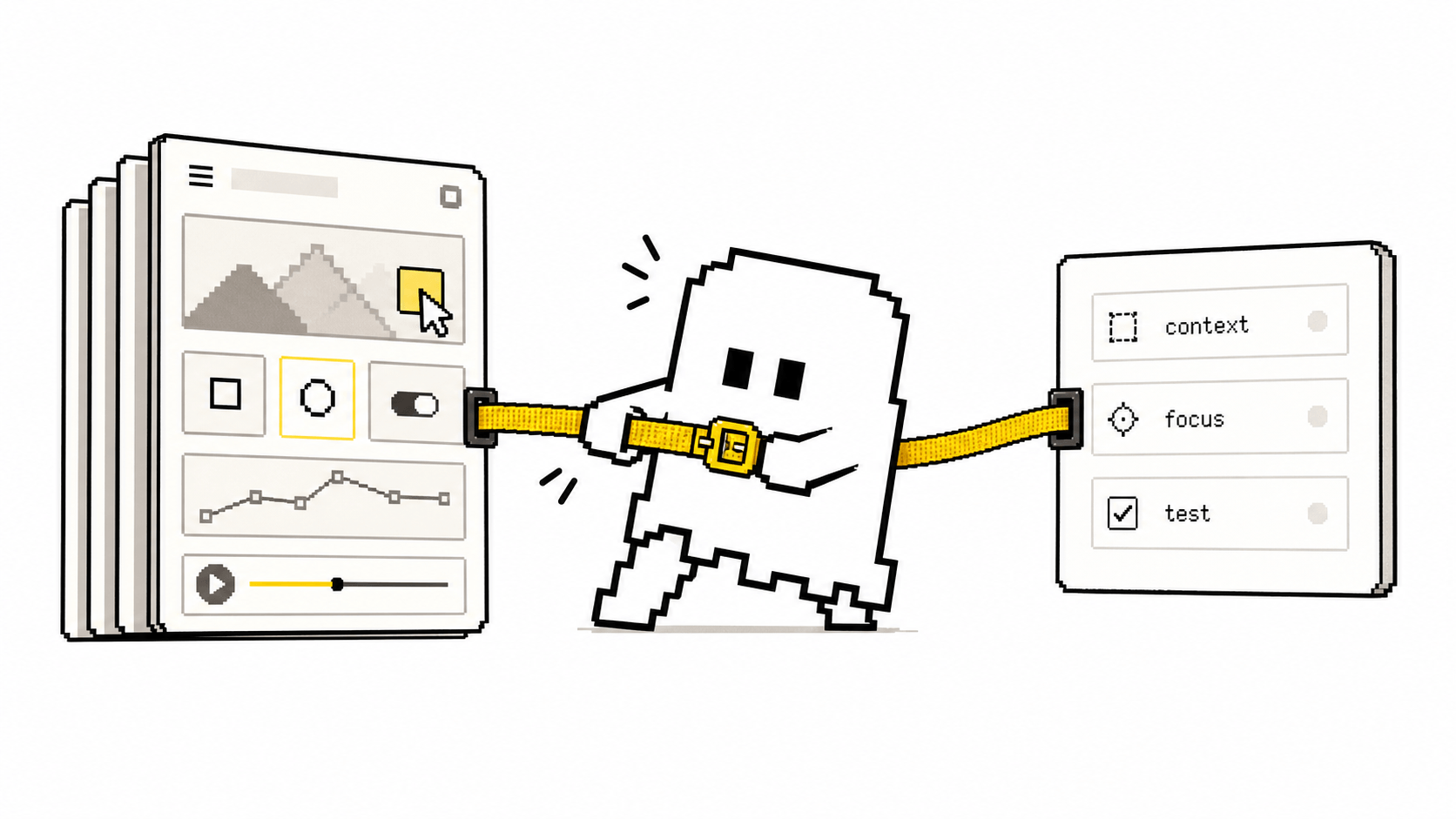
So I paired the prototype with a pre-read.
The first section gave everyone the context: why I was building the panel system and what I thought it could improve. The next section narrowed the critique to a specific focus area and gave everyone a checklist of things to try.
Open three panels, then restack two of them.
Use only the keyboard to open two panels and stack them.
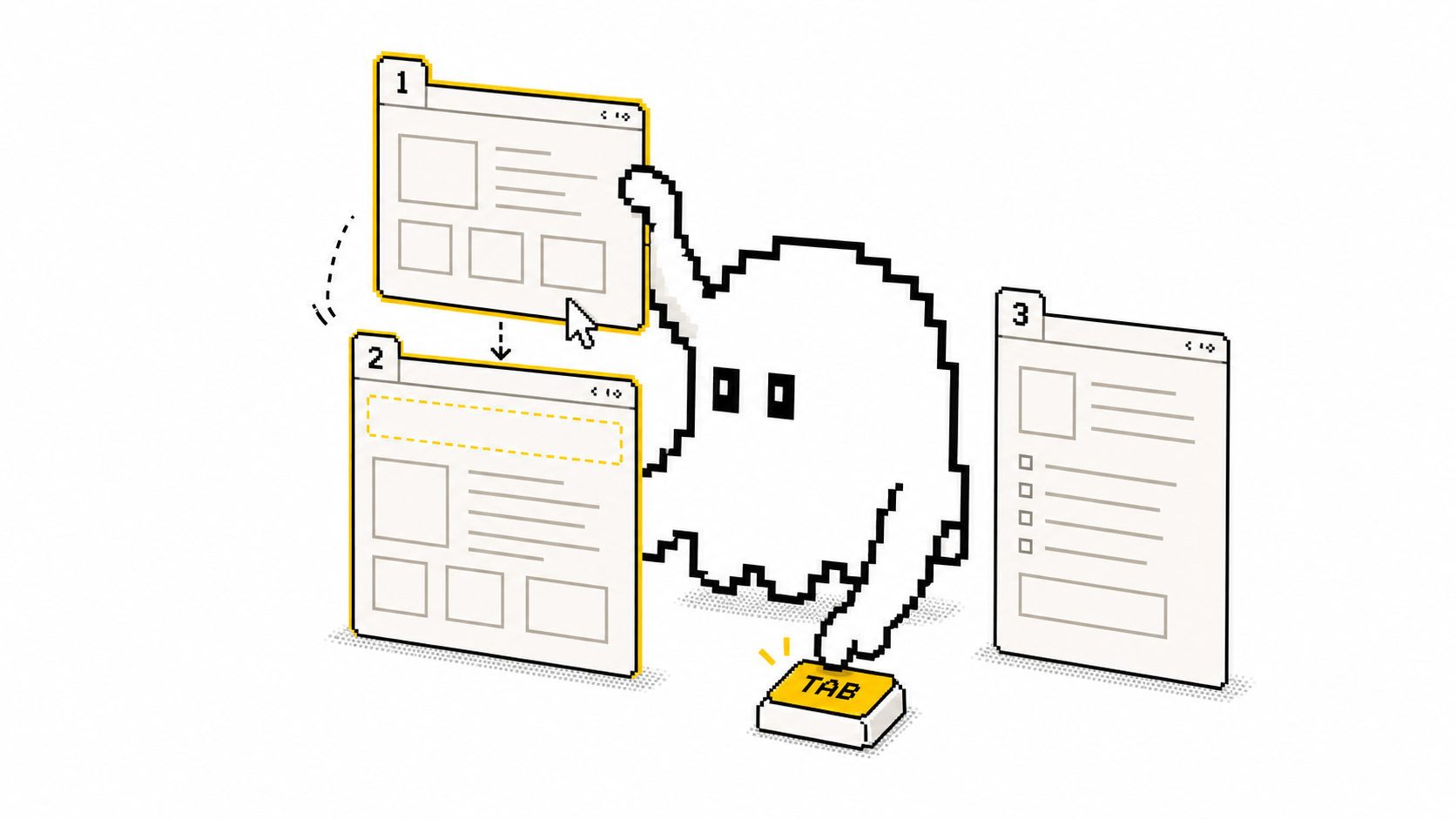
Those tasks changed the critique. People weren't reacting to a screen I was sharing or interpreting a static mockup. They were using the new design themselves, with a shared understanding of what we were trying to learn.
The feedback became clearer and more detailed. I had specific things I could act on to improve the experience.
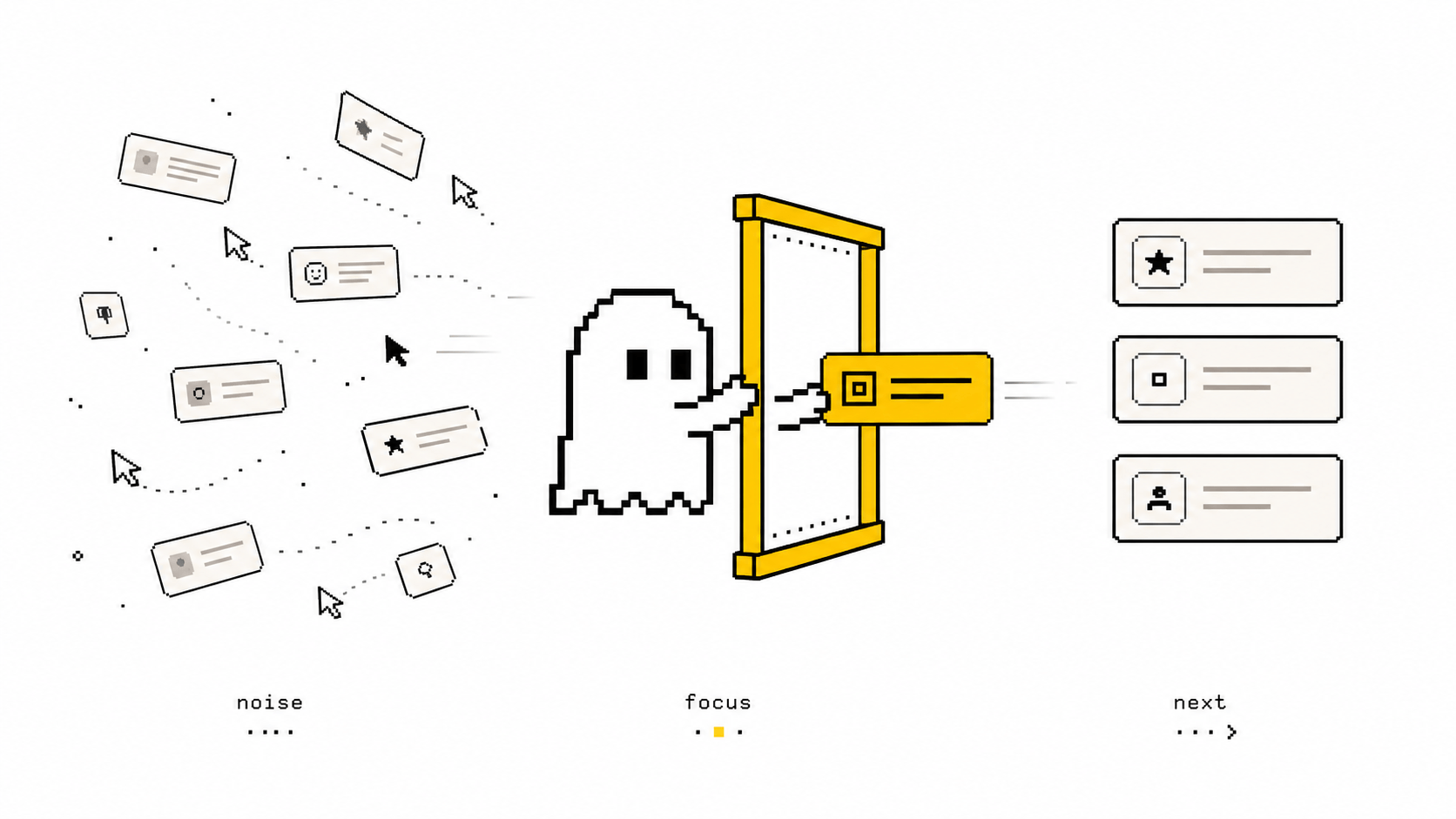
That made something click for me: a production-like prototype isn't enough on its own.
The prototype shows what the experience does. The decision trail explains why it works that way and what still needs to be tested.
The prototype and the pre-read do different jobs
A high-fidelity prototype gets the conversation close to the real product.
You can click through the flow. You can see how the interface responds. You can test the transitions, states, and edge cases instead of imagining them from a static design.
But polish can also make an experience look more resolved than it is. If reviewers don't know which questions are still open, they may focus on the most visible detail instead of the decision you need help with.
The decision trail adds that missing context.
It doesn't need to be a long design document. For this critique, the useful structure was simple:
- why the experience was being built
- what benefit it was meant to provide
- which area needed feedback
- what reviewers should try in the prototype
The working experience made the design tangible. The written reasoning made the critique focused.
Treat them as one review artifact
It's easy to think of the prototype as the real work and the pre-read as supporting documentation. I think they're more useful as one artifact.
The prototype carries the behavior.
The decision trail carries the intent.
Together, they let a team experience the design, understand the reasoning behind it, and give feedback at the level of the actual product decision.
A high-fidelity prototype helps people see what you're building.
A decision trail helps them understand it well enough to improve it.
You need both.